Field Work Background
Planetary Science • Astrobiology • Microbiology

Exploring Life in
Extreme Environments

Nathan Hadland is a research scientist utilizing microbial ecology to inform astrobiological investigations on Earth and Mars.

Nathan Hadland

Nathan Hadland

Research Scientist

Download CV

About Me

I am a Research Scientist at the Arizona Astrobiology Center at The University of Arizona, broadly interested in microbial ecology in extreme environments and in leveraging those insights to inform astrobiological investigations and biosignature searches on other planetary bodies.

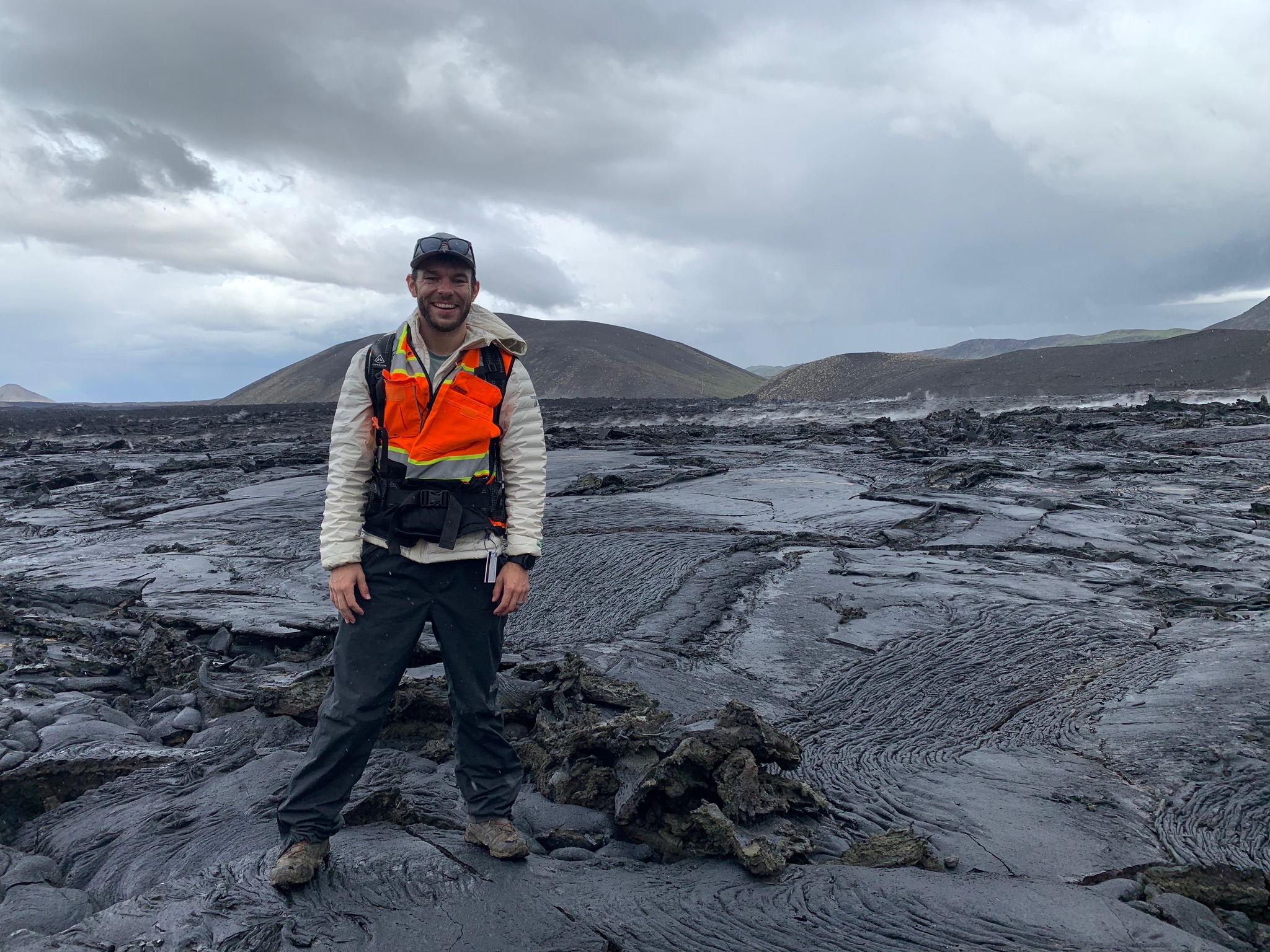
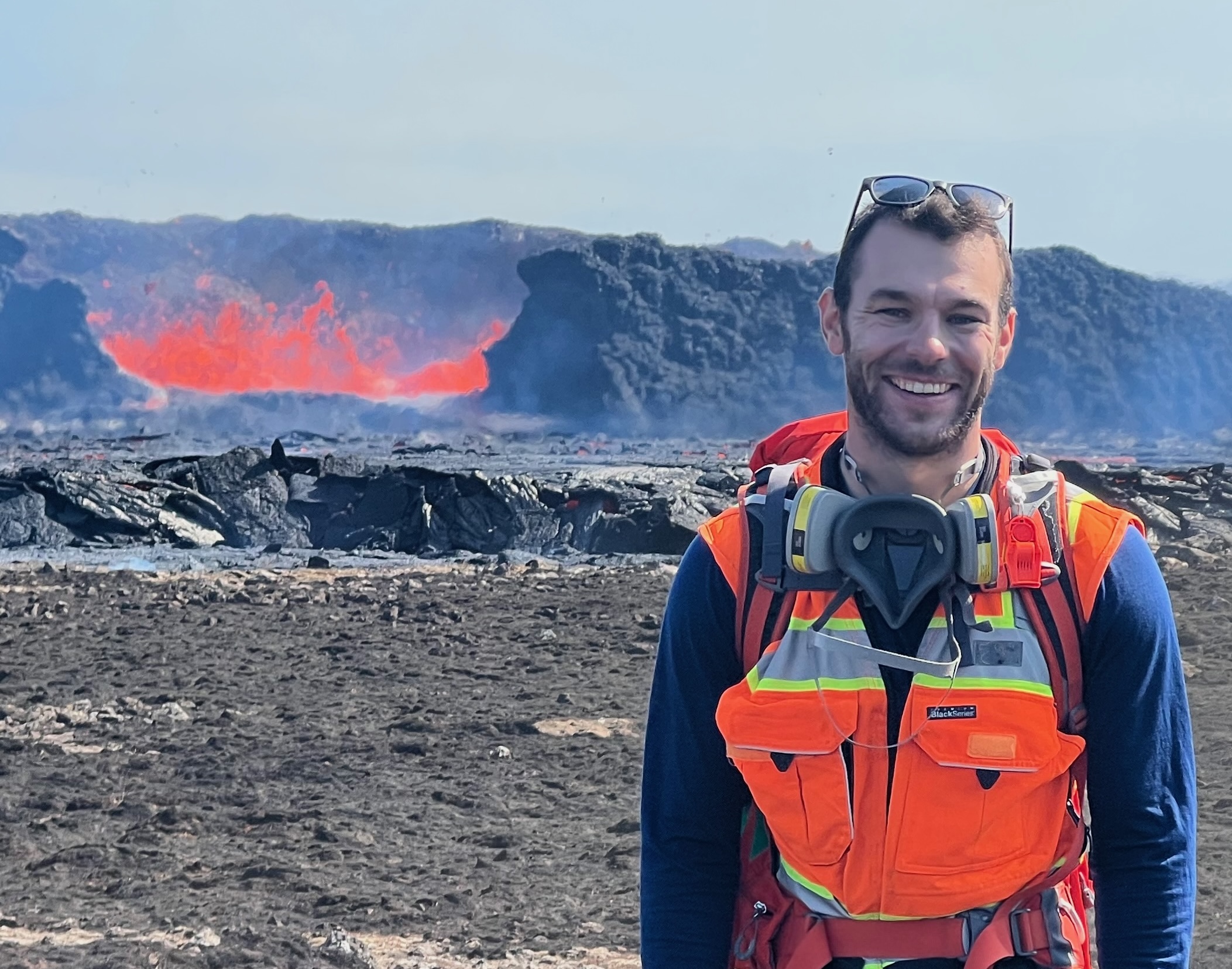
My expertise spans environmental microbiology and geobiology across laboratory, field, and computational settings. I have over six years of field experience, including four extended campaigns in Iceland and other challenging environments, two of which I led and organized. These expeditions integrated drone-based photogrammetry, LIDAR, and advanced biological sampling to investigate microbial distribution, dispersal, and survival.

In the laboratory, I specialize in advanced microbiology techniques including DNA sequencing, microscopy, ATP analysis, qPCR, and culturing, complemented by computational pipelines in bioinformatics, machine learning, and geospatial data analysis.
Education

Ph.D. in Planetary Science

University of Arizona

Minor: Astrobiology | GPA: 4.0

Dissertation: "Evaluating the Habitability of Basaltic Volcanic Environments in Iceland as an Analog for Potential Life on Mars"

May 2026

M.S. in Planetary Science

University of Arizona

GPA: 4.0

May 2023

B.S. in Astrobiology

Florida Institute of Technology

Summa Cum Laude | GPA: 3.97

May 2020

Awards & Honors

3rd Place - UofA Grad Slam

University-wide graduate research competition

2026

NDSEG Fellowship

Department of Defense

2022–2025

ARCS Foundation Award

Achievement Rewards for College Scientists

2025–2026

Arizona Space Grant Fellowship

Graduate Fellowship Program

2025–2026

Astronaut Scholarship

Astronaut Scholarship Foundation

2018, 2019

Outstanding Junior of the Year

Florida Institute of Technology

2018

In the News

Media & Press

Featured research coverage and public outreach

A volcano in Iceland is helping scientists understand how life forms spread to new habitats

NPR 91.5 KJZZ Phoenix

Radio interview discussing microbial dispersal research in Iceland's volcanic environments.

2025
Listen to Interview

Life on Lava: How Microbes Colonize New Habitats

University of Arizona News

Feature article on research investigating rapid microbial community establishment in newly emplaced lava flows.

2025
Read Article

National Parks from Above - Episode 2: Iceland

Channel 4 Documentary Series

Featured in documentary series showcasing aerial perspectives of Iceland's volcanic landscapes and research.

2024
Watch Episode
From the Field

Field Work Gallery

Research expeditions in Iceland and beyond

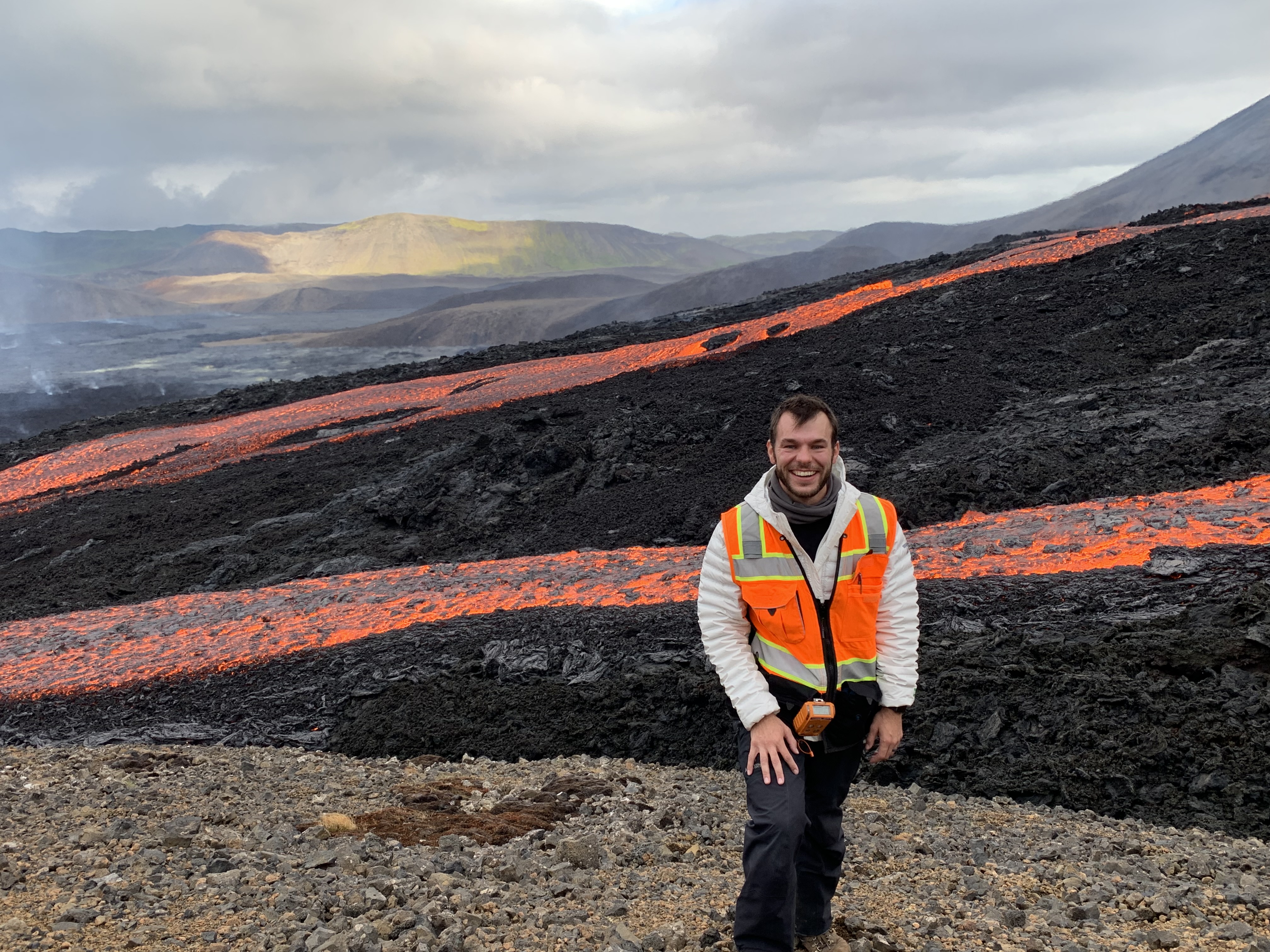
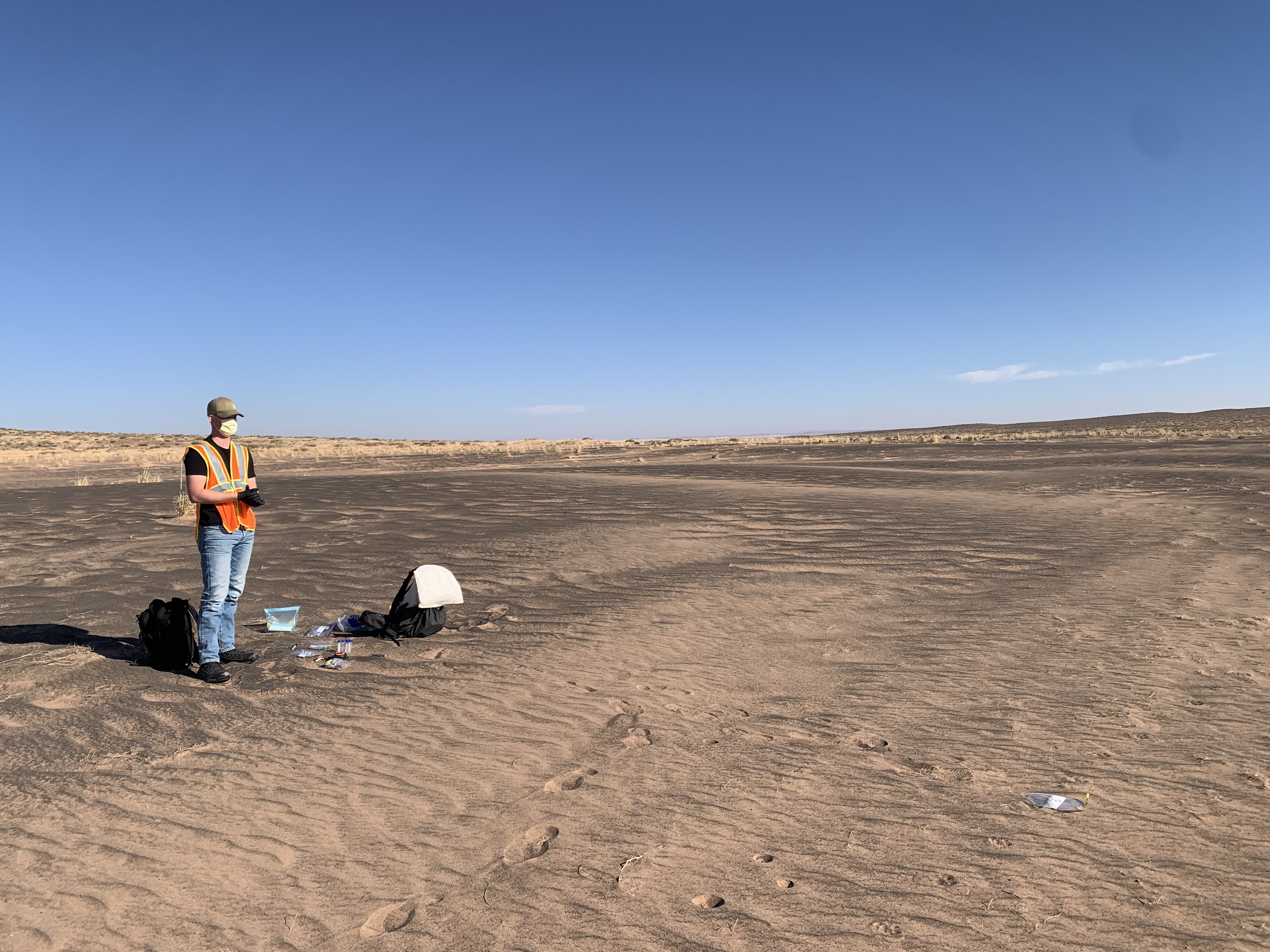
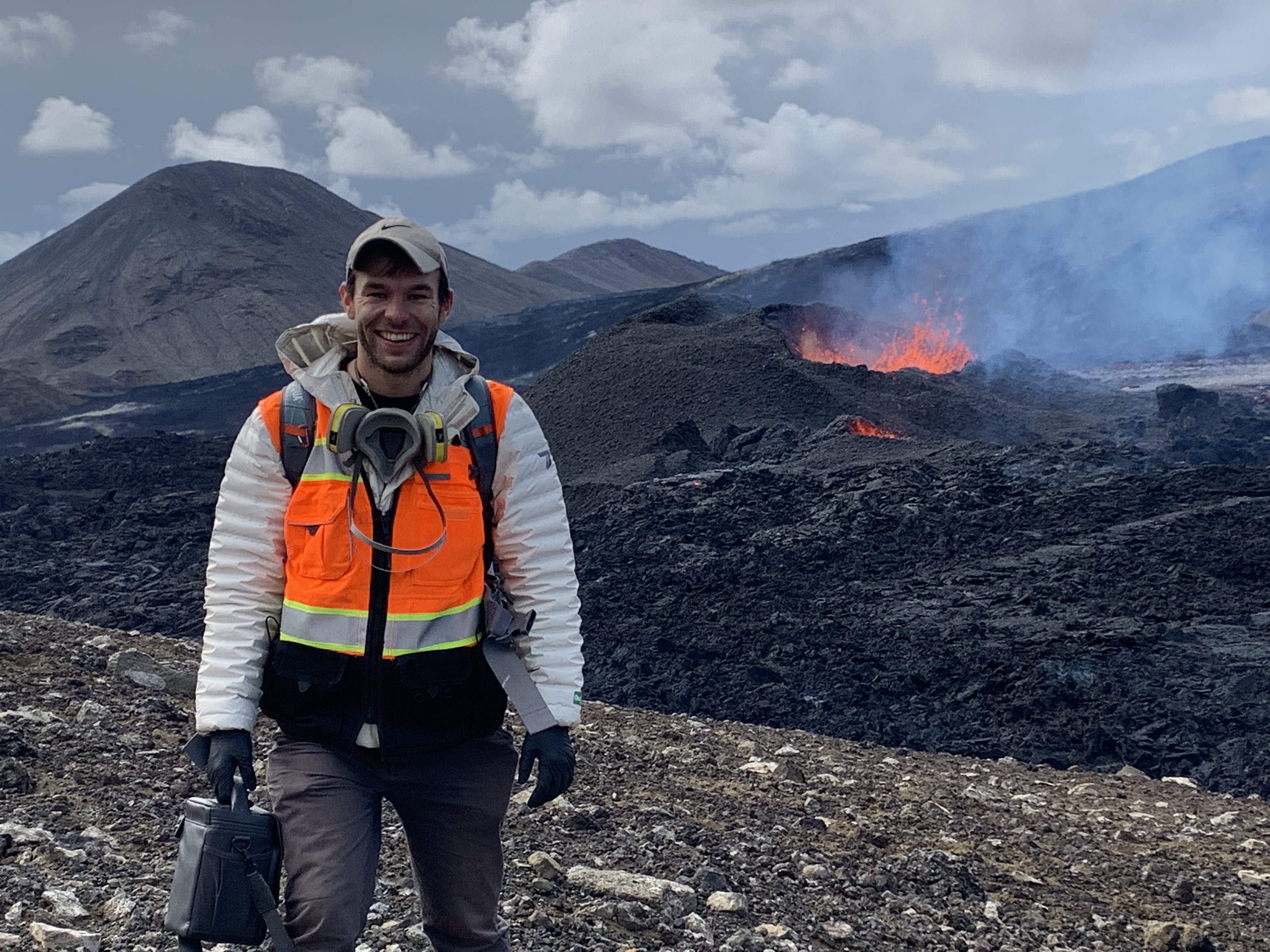
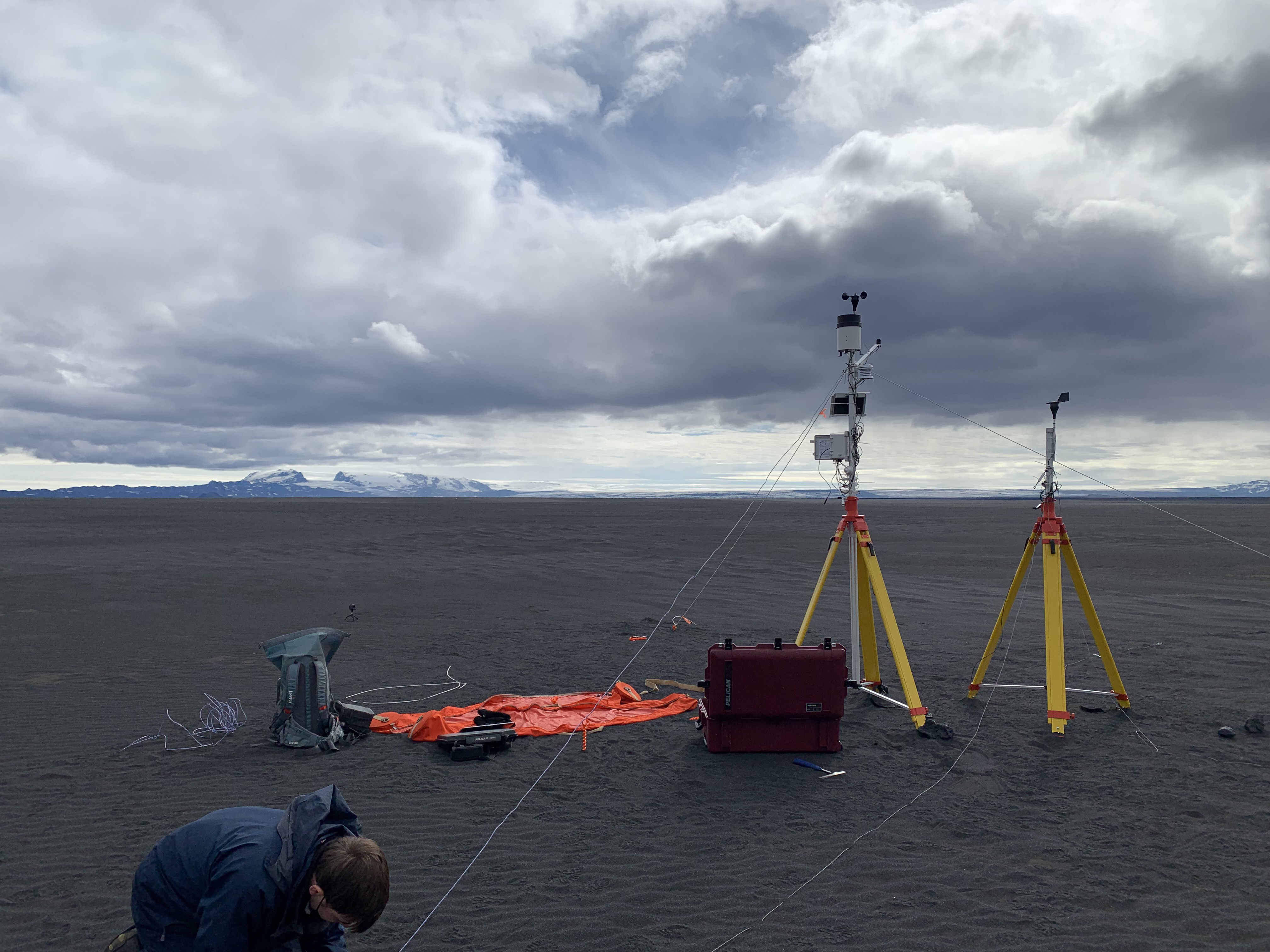
Field work in Iceland

Iceland Field Campaign

Field work research

Volcanic Terrain Research

Sampling expedition

Sample Collection

Field research

Expedition Team

Volcanic landscape

Lava Flow Study

Field equipment

Data Collection

Scientific Focus

Core Research Areas

Combining fieldwork in extreme environments with advanced genomic analytics to understand habitability and microbial ecology.

Extreme Environments

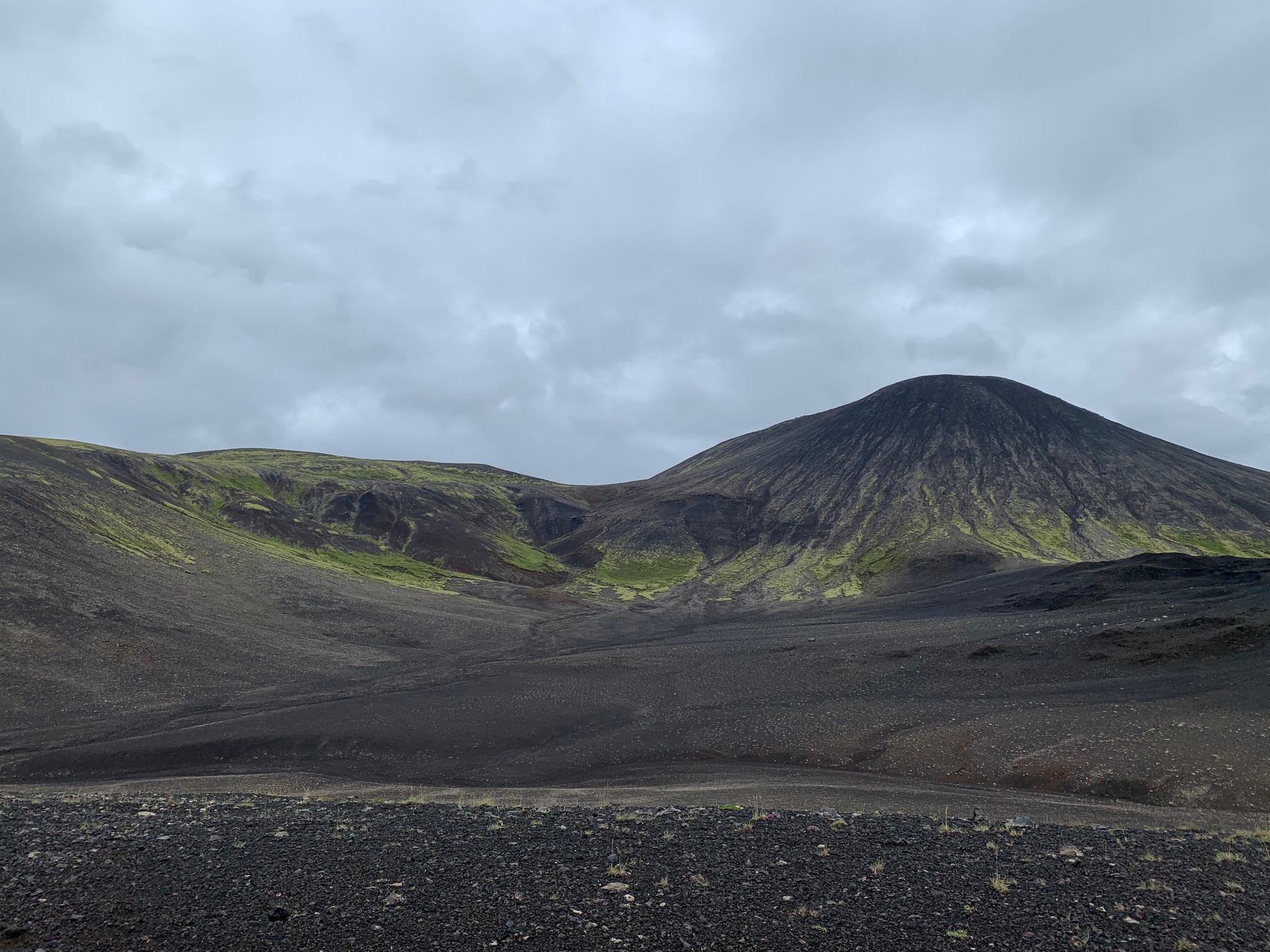
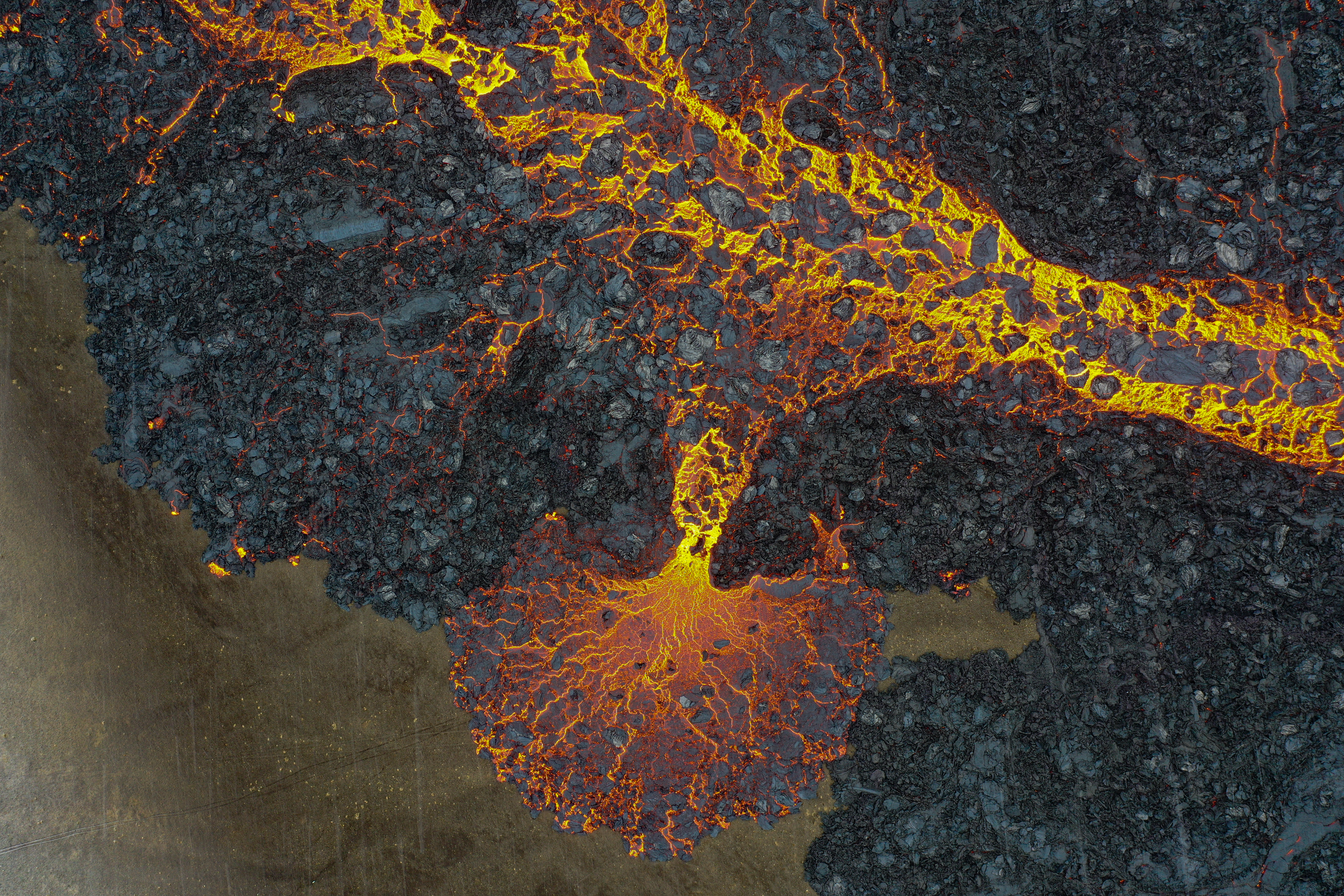
Using extreme environments on Earth, from recent volcanic eruptions to arid sandsheets, as natural laboratories. We study these analogs to understand the fundamental limits of habitability and how life establishes in sterile substrates, informing our search for life on Mars.

Remote Sensing & Biology

Bridging the gap between orbital/aerial data and ground-truth biology. By utilizing UAS (drones) and LiDAR to map micro-habitats, we aim to predict microbial hotspots at landscape scales, creating robust biosignature detection strategies for future planetary missions.

Microbial Ecology & Climate

Investigating how microbial communities respond to rapid environmental shifts. From pioneer species in lava flows to changing Arctic conditions, understanding these dynamics is crucial for predicting ecosystem resilience in the face of global climate change.

Publications

Peer-reviewed articles and selected manuscripts.

2025 Nature Communications Biology

Three eruptions at the Fagradalsfjall volcano in Iceland show rapid and predictable microbial community establishment.

Hadland, N., Hamilton, C.W., Björnsdóttir, S.H., and Duhamel, S. Vol 8, 1657, pp. 1–17.

2026 Science of the Total Environment

Microbial dispersal from a hyperactive sandsheet in the Icelandic Highland.

Hadland, N., Hamilton, C.W., Schroedl, P., Calabrese, F., Marlow, J., and Duhamel, S. Vol 1025, 181659.

Download PDF
In Review (2026) Astrobiology

Linking Habitat Complexity to Microbial Distribution in Mars Analog Volcanic Terrains in Iceland.

Hadland, N., Hamilton, C.W., Phillips, M., Calabrese, F., Tuohy, M., and Duhamel, S.

2024 Nature Comms Earth & Env

Young volcanic terrains are windows into early microbial colonization.

Hadland, N., Hamilton, C.W. & Duhamel, S. Vol 5, 114.

2024 The Planetary Science Journal

Evaluating the use of Unoccupied Aircraft Systems (UAS) for planetary exploration in Mars-analog terrain.

Carr, B., Varnam, M., Hadland, N., et al. Vol 5, 231.

2024 The Planetary Science Journal

Comparing rover and helicopter planetary mission architectures in a Mars analog setting in Iceland.

Gwizd, S., ... Hadland, N., et al. Vol 5, 172.

2020 Icarus

Challenging the agricultural viability of Martian regolith simulants.

Eichler, A., Hadland, N., et al. Vol 354, 114022.

2020 MNRAS

EPIC simulations of Neptune's dark spots using an active cloud microphysical model.

Hadland, N., et al. 4760-4768.

2020 Atmosphere

A numerical investigation of the berg feature on Uranus as a vortex-driven system.

LeBeau, R., ... Hadland, N., et al. 11(1).

Interested in Collaboration?

I am always open to discussing research, guest lectures, or consulting on planetary analog projects.

© 2026 Nathan Hadland. All Rights Reserved.